How did we finish up in East Timor? I read ‘
East Timor’ by James Dunn, which detailed the betrayals of East Timor by Australia over a 40 year period, starting with the withdrawal of troops from ET, leaving the East Timorese to face the brunt of the Japanese fury on their own, to Gough Whitlam giving Indonesia tacit approval to invade and acquire ET as an Indonesian State, to Howard standing by and allowing the massacres of ET by the militia, until public opinion shamed him into acting. We discussed the concept at an intellectual level, that there must be something we can do to make a contribution to ET.
Then we had an ex-student from Eltham college, one of Digby’s students from the 80s who spent her honeymoon at Cape Tribulation. Sophie is an activist specialising in social justice for East Timor. She supports a women’s weaving co-operative in ET and helps them sell their stuff in Australia. Her visit galvanised us into action. A search of the internet gave us four leads to follow up, where we may be able to use our tropical fruit expertise. The best lead came from Caritas, with an invitation from them to visit East Timor to explore how we could work with their ‘Women in Gardening’ project which was located in Oecussi, the ET enclave which is located in West Timor on the north coast – a rugged mountain province of 30,000 people living in remote villages and still slashing and burning as subsistence farmers. Caritas were looking to extend the gardening project to fruit trees. The villages grow maize, and then store it but the supplies run out before the new crop comes in – could fruit fill the gap in the food supply.
Oecussi is a 12 hour ferry rid from Dili – the area is so remote that the militia were still rampaging and killing people here long after Interfet had taken control of Dili. A teenage boy smuggled a written note hidden in his thongs and walked over the mountains through west timor, continually harassed by the militia to bring the request for help to Cosgrove. Each person we met had their own personal story of violence and trauma. In Oecussi every house in all the villages were burned by the Indonesians. Caritas provided the roofing iron and poles, and the building teams to rebuild 4000 houses in the Oecussi enclave.
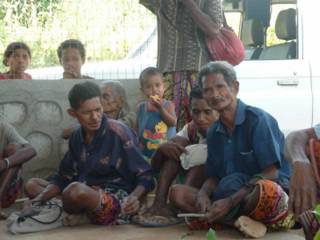
The first night after we arrive we are on the ferry and heading for Oecussi. The next morning Digby is presenting a workshop to the facilitators of the project, training them in basic grafting techniques. Everything was translated into either Indonesian or Tetum or the local language. It was a ‘train the trainers’ scenario. The next three days saw us taken by four wheel drive high up into mountain villages on terrible roads. Digby ran workshops for the farmers, with more and more of the teaching being done by Cornelio as his confidence and knowledge increased.
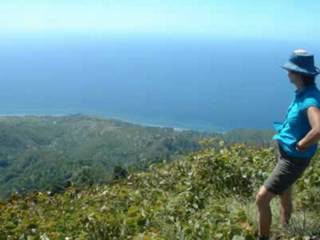
We did have some time to ourselves – we visited the island of Atauro and climbed the highest mountain – Mt Manucoco. We visited Bacau. We lounged around Dili and ate at restaurants existing to service the UN presence.
What stands out?
The human face of the trauma – which is a very strong presence in every family today – is in such contrast to the friendliness and the appreciation and welcome we received. You wouldn’t know that so many of this population had been slaughtered only five years ago. How could they be so happy now? We felt so safe. One of our drivers had received 9 machete slices to his skull in the Liquica massacre in the lead up to the referendum and had been evacuated to Darwin and the Perth where he had operations and recuperated for 6 months before returning to Dili. While he was in Australia he learned enough English to be able to drive tourists around and communicate – this is how he now earned his living.
The big Expat scene – which is so similar to theExpat scene in Samoa (and other places I expect) with bars, Australian beer, and many restaurants. The UN presence which was the main economy has been reduced from 9000 to now only 150 people. You still see the UN cars all over the place, but their departure will mean less money flowing to the locals.
The lack of tourist infrastructure and awareness. This is a green field. I felt I was in Nepal 40 years ago before anybody went there to trek. There are great opportunities to have an amazing adventure holiday in ET. But in 2005 we are the only tourists – we only meet aid workers.
The Women in Gardening project was a highlight. They were so thrilled to see us and made us feel really appreciated. We now have some good grassroots links here to the program co-ordinator and the team of facilitators who work in the villages, and we will now look at concrete ways we can support them, with the supply of seeds, the development of training materials, training the trainers and mentoring the team as required, as they need new skills. We will try and help them develop their vision for the villages.
We discovered that Digby has a remarkable resemblance to Xanana Gusmao, the president of ET, very revered. As we drove into the villages people were waving and calling out 'Xanana' thinking the president was visiting their village. This provoked much hilarity in our car, especially when Digby played up to it with the royal wave. People were saluting as we drove by!!
We intend to go back in 2 years time.